


Zoeken op ZonMw
Zoeken op de website
Filters
De resultaten worden direct bijgewerkt zodra je een filter aanpast.
26
resultaten gevonden voor 'Patient safety'.
 Medisch-specialistische zorg vraagt om meer kennis, duurzame kwaliteitsverbetering, ontwikkeling van innovaties en sterke samenwerking.
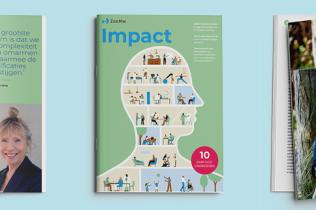 Psychische klachten en aandoeningen hebben een groot effect op mens en samenleving. Met onderzoek versterken we de kwaliteit en doelmatigheid van de hulp en zorg die mensen voor psychische klachten kunnen krijgen.
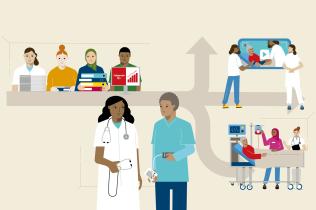 4 miljoen euroThe starting point for Safety-II is that patient safety is increased by focusing on the adaptability and resilience of professionals in the context in which they work.
 In this article professor Judith Rosmalen and Dr. Jos Bosch explain their vision for the ME/CFS consortia.
 People whose immune system is compromised run a higher risk of complications if they contract COVID-19. Furthermore, we do not have enough evidence to show whether these people are sufficiently protected after being vaccinated.
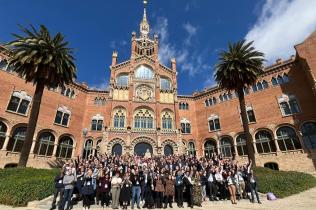 REMEDi4ALL richt zich op het vergemakkelijken en versnellen van onderzoek naar het gebruik van bestaande geneesmiddelen voor nieuwe indicaties (drug repurposing).
 Interview with Jeannette Pols and Sonja Jerak-Zuiderent about their research on how researchers define good science.
 In CHIM studies (Controlled Human Infection Model), study subjects are deliberately infected with a pathogen according to a protocol. Researchers study the immune system or the effects of a possible therapy.
 Clinical fellows awarded to 17 medical specialist who will serve as a bridge between clinical practice and scientific research.
-
In CHIM studies (Controlled Human Infection Model), study subjects are deliberately infected with a pathogen according to a protocol. Researchers study the immune system or the effects of a possible therapy.
 20 talented researchers will receive an Off Road grant to explore their bold, out-of-the-box ideas within the field of (bio)medical science and healthcare. This grant offers them the opportunity to test their innovative hypotheses in 1 to 1,5 years. What do these researchers have in common? They dare to think beyond traditional boundaries.
