Background image Background image darkmode

Blog series: ME/CFS research in focus
Last changed:
ME/CVS lab onderzoek

The causes for ME/CFS are not known, which makes it difficult to treat this disease. Biomedical research should change that. advance effective treatment for ME/CFS. In the blog series 'ME/CFS research in focus', researchers share more about what their research entails and which results are to be expected.

The studies covered in this blog series are funded by the ZonMw ME/CFS research programme. The aim of that programme is to improve the health, quality of life and social position of ME/CFS patients. 

10 studies, 2 consortia

The 10 studies in this blog series are part of 2 'consortia'. Within these partnerships,  parties cooperate with each other in carrying out biomedical research into ME/CFS. The consortia also ensure data exchange and manage the biobanks, in which body materials of patients are collected that are used for further research. Within the ME/CFS research programme, ZonMw funds the NNMCB consortium and the ME/CFS Lines consortium. In this interview, the consortium leaders tell more about their collaboration.
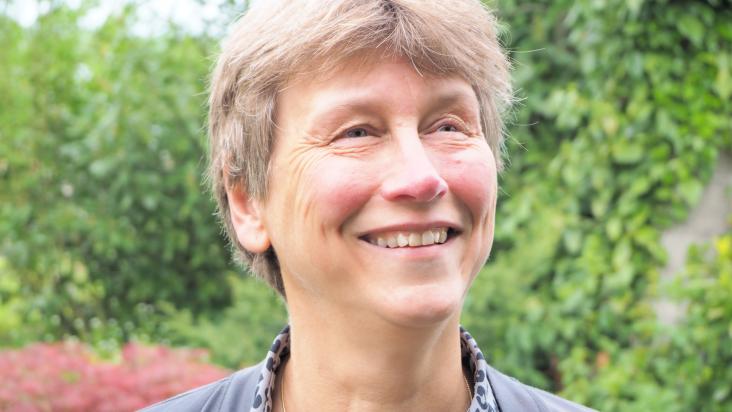
Portretfoto Inge Zijdewind

Blog 1: Understanding ME/CFS better by monitoring symptoms after exertion

ME/CFS patients experience a worsening of their symptoms after physical exertion. It is not clear why this is the case. That's why Inge Zijdewind and Leda Maffei will investigate this.
Man van gemiddelde leeftijd met middellang krullend, bruin haar met een blauwe blouse aan. Hij staat buiten in de stad

Blog 2: Learning from post-infectious diseases for better treatment of ME/CFS
ME/CFS patients often have similar symptoms as people with other post-infectious syndromes. It would be good to look at these diseases to gain a better understanding of ME/CFS, says Ruud Raijmakers.
Een close-up portretfoto van Cindy Boer

Blog 3: Could genes be the key to finding what causes ME/CFS?

What role do genes play in the development of ME/CVS? Geneticist Cindy Boer wants to answer these questions with her research into the disease ME/CVS
Een portretfoto van onderzoeker Wim Dik

Blog 4: Customised treatment for ME/CFS using immune signatures
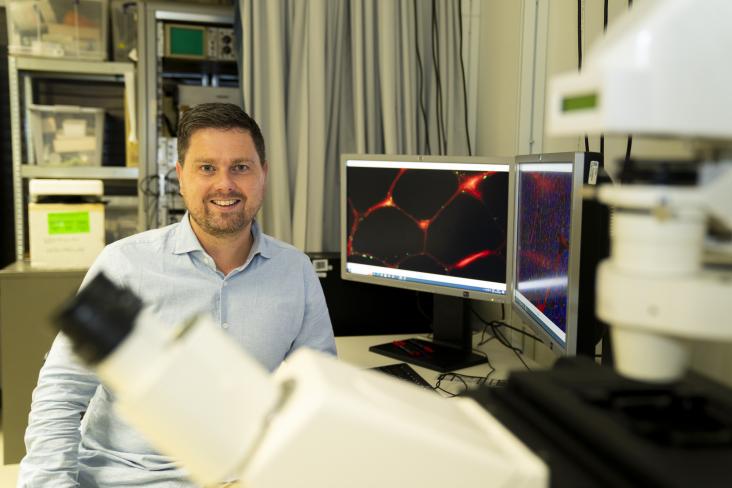
Immunologist Wim Dik investigates whether an immune signature, the pattern of a dysregulated immune system, can be mapped so that effective treatment can be developed for ME/CVS.
Rob Wüst

Blog 5: What changes in skeletal muscles and blood of people with ME/CFS and post-exertional malaise
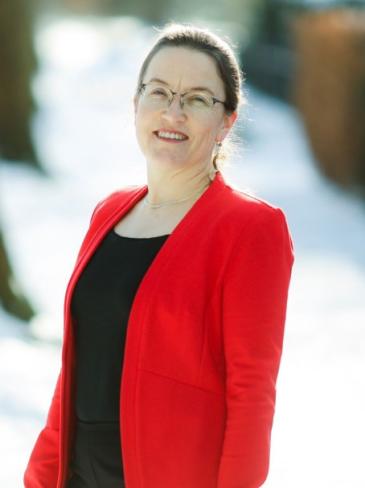
Patients with ME/CFS experience many problems related to their muscles, such as fatigue and muscle ache. Exertion makes these problems worse (post-exertional malaise). What exactly happens in the skeletal muscles and blood, and what role does the immune system play in this? Researcher Rob Wüst of Vrije Universiteit Amsterdam aims to find out.
Portretfoto Alexandra Zhernakova

Blog 6: Is a disrupted immune response to bacteria and viruses a factor in ME/CFS?

No clear cause for ME/CFS has been identified to date. Researchers believe a disrupted immune response to pathogens and a change in the gut microbiome may play a role. Whether and how the immune system responds incorrectly to bacteria and viruses in the gut is the subject of research being conducted by Alexandra Zhernakova (UMCG) and Thomas Vogl (University of Vienna).


man met bril

Blog 7: Do antibodies that target the patient’s own body cause ME/CFS?

A disrupted immune system might be behind ME/CFS. Some researchers think that antibodies that target the patient’s own body, rather than pathogens, might be a factor. But what are those antibodies, and what tissues do they attack? Jeroen den Dunnen, an immunologist at Amsterdam UMC, tells us more.
pasfoto van man

Blog 8: ‘Let’s not forget children in research on immune system disruption and ME/CFS'
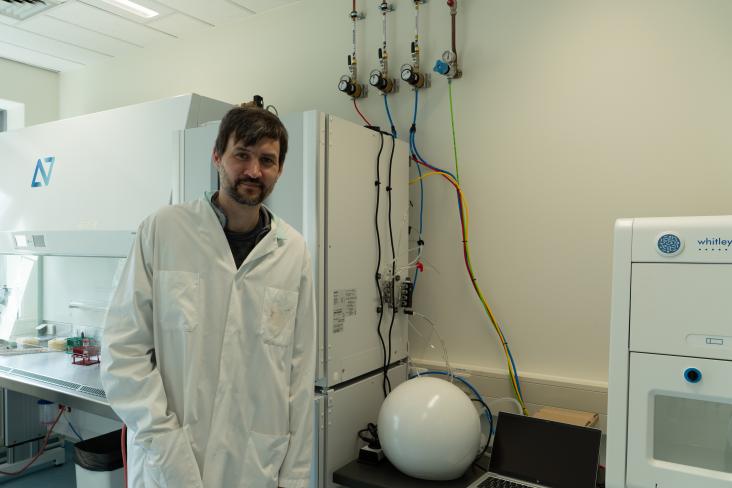
There appears to be something wrong in certain immune cells in people with ME/CFS, which causes problems with the cell metabolism, and might stop nerve cells from functioning properly. Niels Eijkelkamp of UMC Utrecht is studying the complex interactions between the immune system, metabolism and nerves, with a particular focus on children with ME/CFS.
Felipe en Lin, onderzoekers ME/CVS

Blog 9: Changes in the brains of patients with ME/CFS
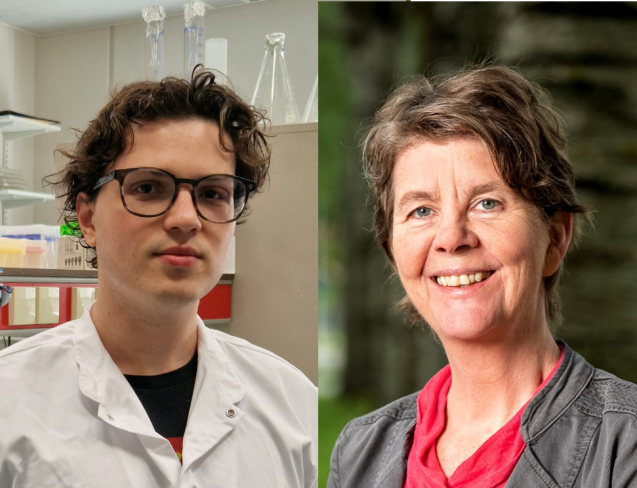
Little is known about possible changes in the brains of ME/CFS patients. It is not easy to investigate, as there is little access to brain tissue from people with ME/CFS. The Netherlands Brain Bank has established a donor programme to enable studies of the stress response in brain cells in people with ME/CFS.
Foto van een man

Blog 10: Do changes in gut bacteria cause the onset of ME/CFS?

The bacteria and viruses in our gut influence the human immune system and brain. This gut microbiome may play a role in the development of ME/CFS. But exactly how this works is still unclear. Researcher Alexander Kurilshikov is investigating the microbiome as a possible cause of ME/CFS.

Text: Ilse Bos, Photography: Robert Tjalondo