


Blog: Customised treatment for ME/CFS using immune signatures
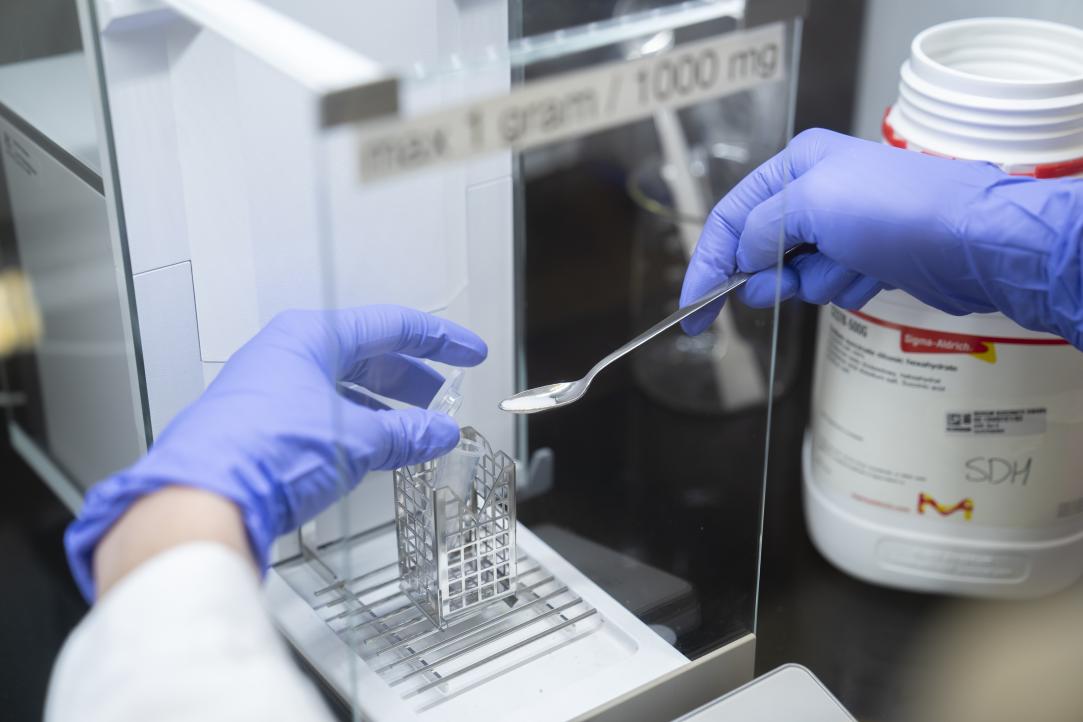
Do patients with ME/CFS have a disrupted immune system? Does this differ between patients? Wim Dik, clinical immunologist at Erasmus MC, believes it is highly likely that the answer to both these questions is ‘yes’. ‘An immune signature should be able to track the pattern of a disrupted immune system, allowing us to develop an effective treatment.'
The ME/CFS research programme funds biomedical research on the causes, diagnosis and treatment of ME/CFS. The first studies got underway in 2023. In this series of blogs, the researchers tell us more about what they are doing, and what their ME/CFS study aims to deliver. A new blog will be published each month; this is the fourth in the series.
There is evidence that the immune system of patients with ME/CFS has been disrupted, possibly by the pathogenic inflammatory substances. This disruption might cause some of the symtoms patients experience. They vary widely from one individual to another, so clinical immunologist Wim Dik of Erasmus MC and his research team assume that there are different sub-groups of ME/CFS patients, each experiencing their own kind of disruption. ‘The pattern we see in a disrupted immune system is known as an immune signature', Dik explains. ‘We plan to investigate these immune signatures to find a suitable treatment.' He and project lead Marjan Versnel have been awarded a grant as part of the Immune Signatures in ME/CFS project.
Existing immune signatures
‘Our search for immune signatures does not have to start from scratch. The research literature contains descriptions of various immune signatures for other conditions with similar symptoms to ME/CFS, such as systemic autoimmune diseases like Sjögren’s syndrome and systemic lupus erythematodes (SLE). In these diseases, the immune system turns on the body. There are potential treatments for Sjögren’s syndrome and SLE, and the immune cells of some ME/CFS patients might respond in a similar fashion. If these immune signatures are present in a sub-group of ME/CFS patients, that gives us hope of a suitable treatment that will get their immune system back on track.'
Blood from biobank
‘Eventually, we’ll be using blood samples from the ME/CFS biobank of the Netherlands’ ME/CFS Cohort and Biobank consortium to find out if there are different ME/CFS sub-groups. We’ll be looking for the presence of different immune signatures in the blood, investigating both immune cells and other substances in the blood in the laboratory. Whether and which immune cells and substances are active, also known as the activation status, tells us something about the activity of the immune system. We expect to be able to identify sub-groups of patients with a similar pattern. Each sub-group will probably benefit from a different treatment, because the immune system is disrupted in a different way in each group.’
Immune training for ME/CFS
A disrupted immune system can also be caused by an abnormal immunological memory in immune cells. 'We want to see if patients with ME/CFS show signs that they have some form of immunological memory – known as ‘trained immunity’ – in their blood. This is a normal part of the immune system that enables cells to “remember” how to respond to a pathogen after initial exposure. This is important, as this kind of memory is vital in natural resistance to infection. Immune cells are trained to respond correctly to foreign bodies or pathogens. If this doesn’t work right, or works too well, it can lead to all kinds of symptoms like chronic inflammation. This can also have an effect on the brain. Therefore, we also want to investigate whether substances from the blood of people with ME/CFS can induce abnormal training of immune cells in the brain. This might cause a disruption of the nervous system. If this is the case, in the brain or elsewhere, we can try to find therapies to tackle the abnormal training.'
Starting with post-COVID group
'Later we will be using blood from a big biobank containing blood and data from patients with ME/CFS. It is being set up by the Dutch ME/CFS Cohort and Biobank consortium. It’s not ready yet, so we’ll start with material and data from a group of post-COVID patients. The symptoms of post-COVID are broadly similar to those of ME/CFS. We think there is some disruption of the immune system in post-COVID too, and that it could be similar to that in people with ME/CFS. That might mean there are matching patterns of immune signatures in these two groups.’
Diagnosis
‘We will make the immune signatures we discover available for doctors in the form of easy-to-use blood tests, making it easier for them to diagnose ME/CFS. In the past we discovered an immune signature for various systemic autoimmune diseases in our own research, and this is now being used in practice as a diagnostic test available to all doctors in the Netherlands. Medication is already available for some signatures. So if our research shows that these existing signatures are also present in ME/CFS patients, treatments might be made available quite quickly.'
About the researcher

More information
Text: Ilse Bos
Photography Robert Tjalondo, privat archive Wim Dik