


Blog: Learning from post-infectious disorders for better diagnosis of ME/CFS
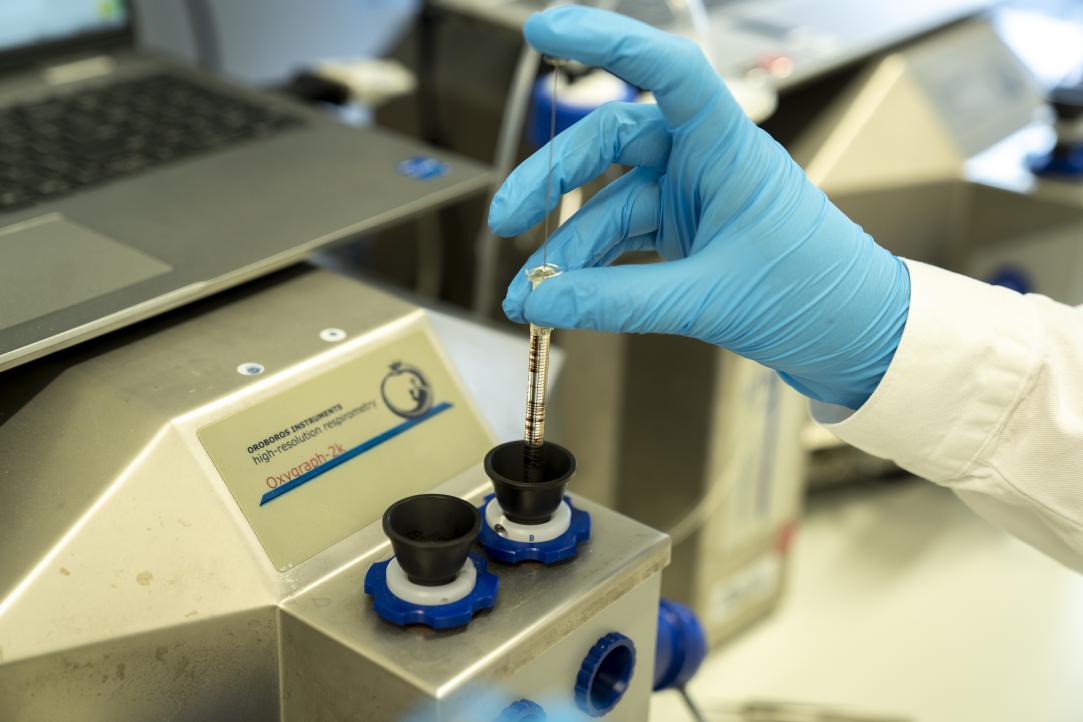
Patients with ME/CFS often have the same symptoms as people with post-COVID, Q fever fatigue syndrome (QFS) and Lyme disease. It would therefore be good to look at these diseases to gain a better understanding of ME/CFS, says Ruud Raijmakers of Radboud University Medical Centre (Radboudumc).
The ME/CFS research programme funds biomedical research on the causes, diagnosis and treatment of ME/CFS. The first studies got underway in 2023. In this series of blogs, the researchers tell us more about what they are doing, and what their ME/CFS study aims to deliver. A new blog will be published each month; this is the second in the series.
Postinfectueuze aandoeningen
According to some researchers patients with ME/CFS share a similar combination of symptoms to those with other diseases. These diseases usually occur after an infection such as Lyme disease, Q fever fatigue syndrome (QFS) or post-COVID. This phenomenon is also known as post-acute infection syndrome (PAIS). If we knew more about the physical causes of these conditions, it would improve hopes of a better diagnosis, and possibly also future treatment.
Currently, many researchers are working separately on these disease profiles to discover the causes of the symptoms. ‘And that’s a shame’, says Ruud Raijmakers of Radboudumc in this blog. That is why he will be performing research in the ZonMw-funded project ‘A neurobiological and immunological comparison of ME/CFS and PAIS’.
More recognition
‘Persistent symptoms like you get with ME/CFS or after infections have always been the poor relation’, says Ruud. ‘Outbreaks of infectious diseases like Q fever generally attract attention for a while. However, after a while, the patients with long-term symptoms tend to be forgotten. That’s not fair. These illnesses deserve to be studied properly, so that we can find good treatments for these highly debilitating conditions.’
'We have a team of patients who are closely involved in all phases of the study
Patient involved
'We have a team of patients who are closely involved in all phases of the study so that we can learn from the experiences of patients themselves. They will attend research meetings, and contribute on the basis of their personal expertise. This is very useful, because they know more about what is going on in patients’ lives. We only know about the medical side.'
Use interest in post-COVID
‘It is now time to apply our knowledge of PAIS to other diseases, such as ME/CFS. We can utilise the current interest in post-COVID to focus attention on ME/CFS, too. The symptoms of these illnesses are very similar, including the worsening of symptoms after physical exertion (a phenomenon known as post-exertional malaise, or PEM) and the inability to summon the energy for daily activities. We think that the cause lies in abnormal behaviour in the immune system and the metabolism. But we won’t know for sure until we have enough patients for blood sample analysis, for example. We will do this for several post-infectious conditions, so that we can compare the results with what we see in ME/CFS patients. We can obtain the information on patients from a large database containing details of patients with ME/CFS, which was established by the Dutch ME/CFS Cohort and Biobank consortium (NMCB). We will also be sharing our research results through the consortium later.’
Start with Lyme disease
‘We are initially examining a group of 1200 patients diagnosed with Lyme disease, from whom blood samples and additional data have been collected up to one year post-infection. Our analysis will focus on the patients’ blood profiles at the time of infection, as well as six weeks later, measuring inflammation markers, immune cells, DNA profiles and protein levels. These values will give us an insight into the behaviour of the immune system and the metabolism. We will also continue to monitor these people’s symptoms to establish whether they recover, or remain ill. We expect to see the first results at the end of 2024.
Study more diseases
‘Of course we won’t just stop at Lyme disease. We will also be studying groups of people who have long-lasting symptoms after contracting Q fever or COVID-19. We hope to be able to contact these people through patient organisations. Each group of 50 patients will have its own control group of healthy individuals with a similar lifestyle.
‘We will measure everyone’s heart rate and blood pressure, and take certain measurements of their nervous system. We will also take blood samples and heart recordings, which will give us insight into blood levels, the response of the immune system and the nervous system. We will then compare the results from the 2 diseases, and with the information we have on ME/CFS patients from the Dutch ME/CFS Cohort and Biobank consortium database.’
Expected result
‘Since many symptoms of ME/CFS are the same as those of other post-infectious conditions, we expect to see the same physical mechanisms, such as a worsening of symptoms after exertion. I think that inflammation processes in the brain have a role in this. So it is important to look into the role of the brain in the study.’
Joining forces
‘I have researched Q fever and Q fever fatigue syndrome. Before the COVID pandemic research into symptoms post-infection was always a niche thing. The pandemic changed this. Afterwards, we got a better picture of symptoms after infectious disease, and I felt I should keep pursuing this subject. Every day, I see people who are affected by PAIS, from patients with mild symptoms, to others with very severe ones. I’m convinced that close cooperation between researchers in different areas will produce a solution.’
About the researcher
More information
- Go to the project page
- Go to the website of the consortium
- Go to the programme page ME/CFS
- Go the thema page fatiguenes
Text: Ilse Bos, Photography: Robert Tjalondo, private picture Ruud Raijmakers