


Interdisciplinary consortia to work on safe and healthy food and food systems research
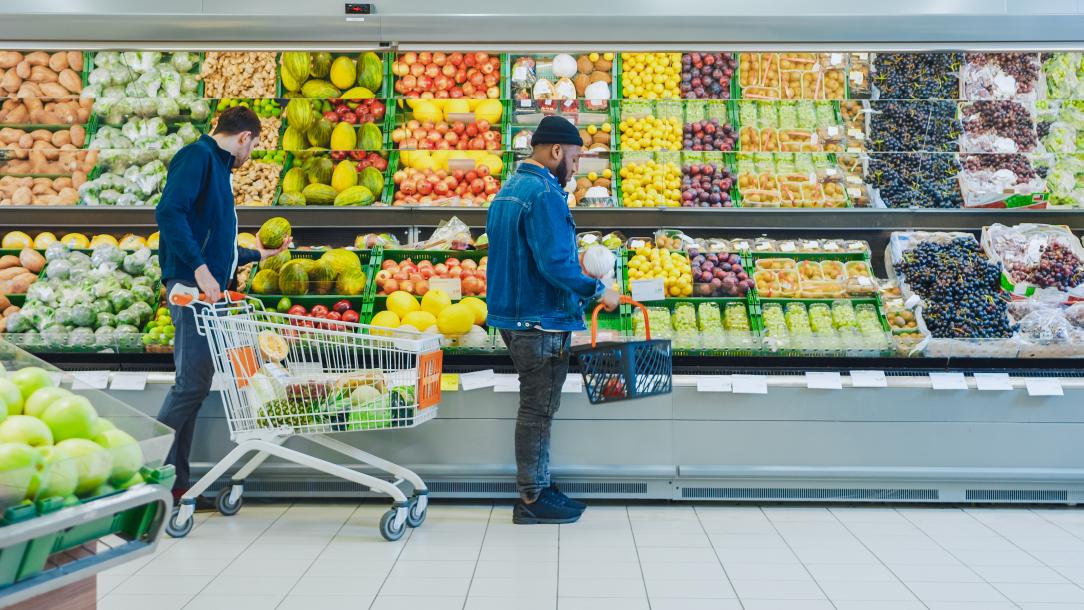
Within the research programme call ‘Safe and healthy food and food systems’ three research projects have been awarded funding. Consortia of researchers, companies and public organisations will carry out research into sustainable and innovative food systems that produce healthy and safe food for the current and future population. The projects have been awarded a total of more than 2.5 million euros. Public and private partners will contribute co-funding for an amount of more than 1 million euros. This call is a collaboration between NWO and ZonMw.
In recent years, there has been increased attention for the role of nutrition in relation to (preventative) healthcare. Healthy nutrition is part of a healthy lifestyle. Together, they can ensure better health and, accordingly, a longer life expectancy by not just adding years, but also healthy years to life.
The research programme ‘Safe and healthy food and food systems’ encourages interdisciplinary research into sustainable and innovative food systems that produce healthy and safe food for the current and future population. This research requires an integrated approach to multiple focus areas, in order to achieve a more holistic understanding of healthy and safe food and food systems. This research programme focuses on four areas:
- Nutrition and health in different population groups;
- Influence of environment on healthy choice behaviour;
- Development of sustainable and healthy food products;
- Food safety, environment and health.
This research programme is a collaboration of NWO and ZonMw. Learn more about the research programme.
Awarded projects
Read more about the three awarded research projects, displayed in random order.
-
Dr. K.C.M. Verhoeckx, University Medical Center Utrecht (UMCU)
MoSIN, a multidisciplinary consortium with food system actors (allergic consumers, physicians, researchers, risk managers/assessors from food producers and retailers, and consultants) aims to improve understanding of how food allergy develops in a changing food environment (dietary habits, exposure, ancestry and sex). It will culminate in the development and implementation of a monitoring system for emerging food allergies, which will improve and harmonize allergy risk management and communication of understandable allergy information. This project will contribute to increasing awareness of the risks of allergic reactions to (novel) foods, preventing food allergic reactions and undernutrition, and subsequently reducing (healthcare) costs.
Co-applicants
Maastricht University
Wageningen University & Research (WUR)
University Medical Center Utrecht (UMCU)
HAS green academy
Surrey University (SU)Co-funders
Danone Research
Unilever Safety and Environmental Assurance Centre (SEAC)
Schuttelaar & Partners (SP)
Ÿnsect
Natuurproducten Nederland (NPN)
MacroArray Diagnostics GmbH (MADx)Collaborating partners
Rijksinstituut voor Volksgezondheid en Milieu (RIVM)
Dutch Food Allergies Foundation (SV)
LAREB
Centraal Bureau Levensmiddelenhandel (CBL)
Jumbo -
Prof. dr. ir. H.M.W. den Besten, Wageningen University, Food Microbiology (FHM)
PROSAFE aims to valorise vegetable side-streams into products through fermentation that fit the demand and lifestyle of consumers. The fermentation strategy will be designed such that microorganisms convert the side-stream into a safe product that is characterized by desirable sensory properties related to palatability and digestibility, and enriched with vitamins. The project will also investigate social and economic aspects and examine how actors involved in the production of side-stream derived foods come to decisions in the designing of sustainable supply chains, and how a shift of consumers’ perception can open new markets for healthy and safe foods derived from side-streams.
Consortium
Co-applicants
Wageningen University & Research (WUR)Co-funders
Okéchamp Group
Evers Specials
SmaakparkCollaborating partners
Nederlandse Vereniging van Diëtisten
Voedingscentrum
Basque Culinary Center -
Dr. ing. D.E.G. Kok, Division of Human Nutrition and Health, Wageningen University
People with cancer often suffer from side-effects of treatment that impact their quality of life. FITTER will evaluate whether consumption of an adequate amount of dietary fiber could help reducing these side-effects. By studying which fibers or fiber combinations are most potent in improving gut health and thereby reducing side-effects of treatment, FITTER will be able to further develop dietary advices and products that promote recovery after treatment.
Consortium
Co-applicants
Wageningen University & Research (WUR)
Tilburg University (TiU)
Prinses Máxima Center (PMC)
HAN University of Applied Sciences
RadboudumcCo-funders
Nutrition & Healthcare Alliance
Danone Nutricia Research
Maag Lever Darm Stichting
Freijer4Food Health Care
BEVITALCollaborating partners
Wageningen University & Research (WUR)
Hospital Gelderse Vallei
Rijnstate Hospital
Radboudumc
Radiotherapiegroep
University Medical Center Utrecht (UMCU)
Danone Nutricia Research
Dutch Dietitians Oncology Group
Dutch Colorectal Cancer Group
Stichting Darmkanker Nederland
Vereniging Kinderkanker Nederland
Wereld Kanker Onderzoek Fonds
KIC seeks technological economic opportunities
The NWO research programme KIC focuses on groundbreaking innovative solutions with societal and economic impact. Companies, knowledge institutions and government bodies jointly invest in the commercial application of knowledge to tackle major societal challenges through the use of smart technologies. By doing this, both jobs and income can be secured for the future. This is established in the Knowledge and Innovation Covenant (KIC) 2020-2023 that connects with the Mission-driven Top Sectors and Innovation Policy of the Dutch government. NWO brings together companies and knowledge institutions and funds groundbreaking research based on their innovative, high-impact research proposals.
Within the main line Mission, NWO annually develops several large thematic programmes, which each have a budget of between 5 and 11 million euros: the mission-driven programmes. The choice of subject is determined on the basis of a ranking within the Knowledge and Innovation Agendas. Researchers submit proposals for collaborative projects with a budget of between 750,000 and 4 million euros per proposal.