


6 Transnational ValNAM Projects Awarded to Advance Animal-Free Science
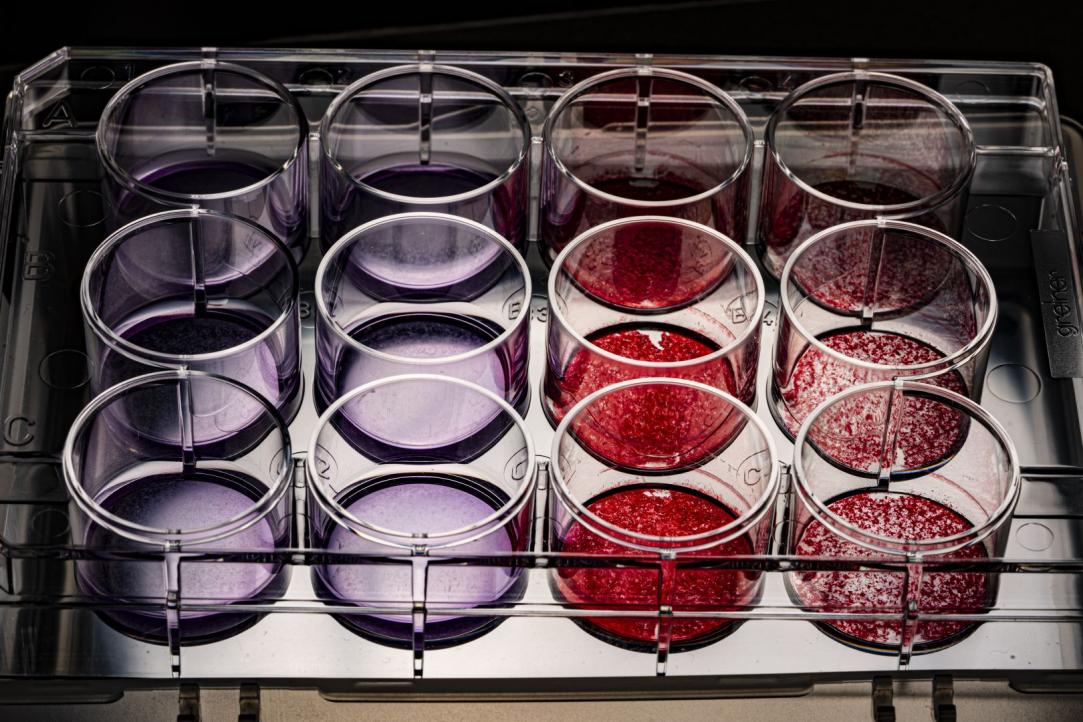
Fostering the transition toward human-relevant science requires robust validation of New Approach Methodologies (NAMs) and strong public-private collaborations to bridge the gap to regulatory acceptance.
To achieve this, ZonMw and the German Federal Ministry of Research, Technology and Space (BMFTR) have joined forces with the "ValNAM" call, in which six exemplary bilateral research projects are now awarded.
The Crucial Importance of NAM Validation
In substance and drug safety testing, animal models have long been the traditional standard. However, "translational failure"—the difficulty of transferring animal data to human biology—remains a persistent bottleneck. While innovative New Approach Methodologies (NAMs), such as cell cultures and computer models, offer faster, cost-effective, and highly human-relevant alternatives, they have not yet become mainstream. The primary obstacle is that most NAMs lack the formal validation and standardization required for regulatory approval. Bridging this gap by aligning scientific experts with regulatory authorities is essential to establish these methods as legal, trustworthy safety standards.
The ValNAM Call Setup
To address this challenge, ZonMw and BMFTR established the joint "ValNAM: Closing the gap" call to build sustainable research consortia between The Netherlands and Germany. The call mandated a Public-Private Partnership (PPP) structure, requiring each international consortium to consist of at least one public and one private partner.
These consortia set out to advance an existing NAM across Technology Readiness Levels (TRLs) over a three-year project duration. A total budget of €7.5 million was made available for this call, with the unique feature that no maximum budget per project was specified; instead, applicants were required to justify and request the exact budget necessary to successfully execute their specific project scope. This setup makes ValNAM unique and exemplary: its strict focus on validation rather than initial development of a NAM, combined with a flexible funding structure that allows consortia to tailor the budget to their specific needs.
The call was executed in a productive collaboration by the German Projektträger Jülich (PTJ) and the More Knowledge with Fewer Animals (MKMD) programme from ZonMw, which is financially supported by the Dutch Ministry of Agriculture, Fisheries, Food Security, and Nature. Financial means for this call were also kindly provided by Stichting Proefdiervrij (The Dutch Society for the Replacement of Animal Testing).
Highly Competitive Outcomes
The call drew an exceptional response from the scientific community, resulting in a highly competitive field. A total of 38 project proposals were submitted by collaborative transnational consortia, indicating the need for this type of funding schemes. Following a rigorous peer-review and interview process conducted by an international expert panel, 6 exemplary projects were officially selected for funding. These awarded projects will now begin their three-year journey to turn cutting-edge, animal-free innovations into validated regulatory tools.
-
SteatoTest: A robust in vitro steatotic hepatocyte system for the development and testing of personalized therapies against human fatty liver disease
Anja Zeigerer, Jan Hengstler, Bart van de Sluis, Anett Ullrich
The global prevalence of metabolic syndrome and related diseases, including type 2 diabetes, metabolic dysfunction-associated steatotic liver disease (MASLD), and cardiovascular disorders, is rapidly increasing. MASLD may affect up to two billion people within the next decade, creating a major socioeconomic burden. Human-relevant, high-throughput systems are urgently needed. We developed SteatoTest, a robust in vitro human steatotic hepatocyte model that recapitulates key MASLD features, including steatosis, insulin resistance, mitochondrial dysfunction, and inflammation. It uses 3D cultures of primary hepatocytes from individual donors, enabling assessment of sex- and genotype-specific drug responses and RNAi-based testing. This project aims to validate SteatoTest for regulatory use by assessing reproducibility, inter-donor variability, target validation capacity, and standardization, with input from industry and regulatory stakeholders.Interlaboratory Validation of ReproTracker
Amer Jamalpoor, Marta Barenys-Espadaler, Daniela Salvatori, Kristina Bartmann, Els Adriaens, Paul Carmichael
Identifying Developmental and Reproductive toxicity is a vital part of toxicological assessment when evaluating the safety of drugs and chemicals. Traditionally, it involves in vivo testing using rats and rabbits. Given the considerable variation in drug responses across species, and the financial and ethical challenges associated with animal testing, the development of advanced cell-based assays is imperative for effectively identifying potential teratogens. The ReproTracker assay is focused on the differentiation of human induced pluripotent stem cells towards three germ layer specific cell types. These differentiations have demonstrated to capture multiple processes key in embryonic development that are susceptible to exogenous disruptions. While ReproTracker has demonstrated its potential in predicting teratogenicity of chemicals, proper inter-laboratory validation (transferability and reproducibility studies) is essential for the assay to be qualified in regulatory spaces.ThyroTransVal: Validation of a Sandell-Kolthoff-based MCT8 activity assay (MCT8-SK)
Kostja Renko, Sophie Rigal, Michael Oelgeschlaeger, Timo Hamers, Douwe Molenaar, Ulrich Schweizer, Doreen Braun, Nina Hambruch, Sjoerd Verkaart and Jelle Vriend
The ThyroTransVal project will validate an in vitro method to identify potential endocrine disrupting chemicals that inhibit the transport of thyroid hormone across the cell membrane. The focus is on the inhibition of MCT8 (Monocarboxylate Transporter 8), which is an important protein for thyroid hormone transport into the (developing) brain and across the placenta. The aim is to transfer this method from the developer laboratory to other laboratories and verify its reproducibility through a blinded ring trial. Transfer and validation is documented in a validation report and reviewed by external experts, meant to be adopted as an OECD test guideline. This 3-year project consists of 3 phases:- Final characterization of the test system for cell bank deposition, potential method adaptation to an animal-free medium, and method transfer to 4 partner laboratories.
- A ring trial with ~25 blinded test substances.
- Method submission as an OECD test guideline based on the validation report.
Cardio4All: Validating an Integrated Multi-Tier Human-Relevant Platform for Predictive In Vitro Cardiotoxicity
Peter Loskill, Richard Davis, Christian Maass
Some medications can damage the heart. This is an important reason why drugs fail during development or cause problems in patients. Current safety tests do not always accurately reflect how the human heart responds, meaning harmful effects are sometimes missed. With this project, we aim to better predict whether medications cause heart damage. We will develop and validate a new testing platform using human cells and computer models. This platform should better identify harmful medications and reduce the use of animal testing. We aim to demonstrate that this approach is reliable and produces comparable results across laboratories. To achieve this, we are combining a 3D heart model made from stem cells, an organ-on-a-chip system, and computer models. By testing known medications and comparing results, we will show how this can improve drug safety.GAIN: Gastrointestinal Absorption using Integrated NAMs
Susana Proenca, Evita van de Steeg
Currently, no reliable animal free method exists to predict how substances are absorbed in the human gut, even though most medicines, nutrients, and chemicals enter the body orally. The GAIN project aims to develop a human relevant testing and modelling approach that can accurately predict how much of a substance is absorbed and becomes available in the body. The project combines an advanced human intestinal tissue model with computer models that simulate biological processes. A broad range of compounds, donor to donor differences, and strict quality controls are included. The goal is to deliver a robust, animal free method that supports industry and regulators in making safe and efficient decisions.AdipoNEXT: Validation of a High-Content Screening Adipogenesis Assay for NEXT generation risk assessment
Jorke Kamstra, Kristin Schubert, Nina Hambruch, Anne Kienhuis
Metabolism-disrupting chemicals are substances that interfere with metabolism and energy balance and can thereby contribute to obesity. One key mechanism affected by these chemicals is the formation of fat cells (adipogenesis). At present, validated test methods for the regulatory assessment of this effect are lacking. AdipoNEXT aims to validate a human-relevant in vitro assay based on the differentiation of mesenchymal stem cells into adipocytes. The model has been pre-validated and was recently improved by implementing automated microscopy, enabling accurate and quantitative measurements. Within AdipoNEXT, the reproducibility, sensitivity, and specificity of the assay will be assessed, and the model will be refined by addressing sex-specific differences and adipocyte function. The outcome will be a validated new approach method supporting regulatory identification of metabolism-disrupting chemicals, providing a basis for an OECD test guideline.