Report: More knowledge needed on heat and indoor spaces
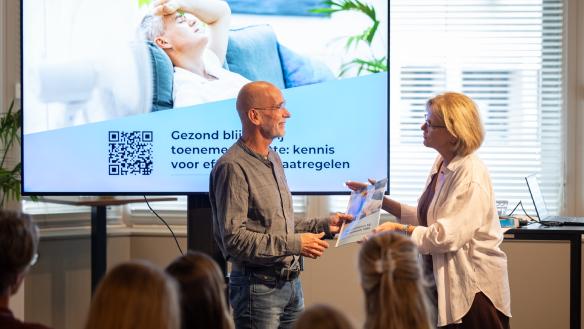
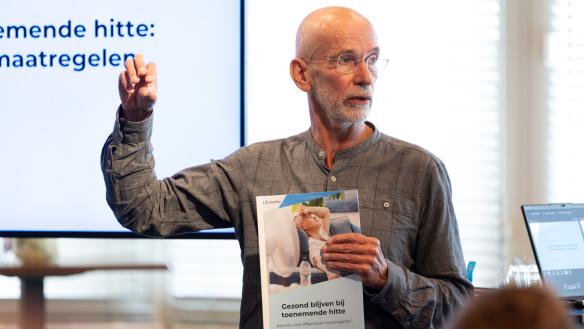
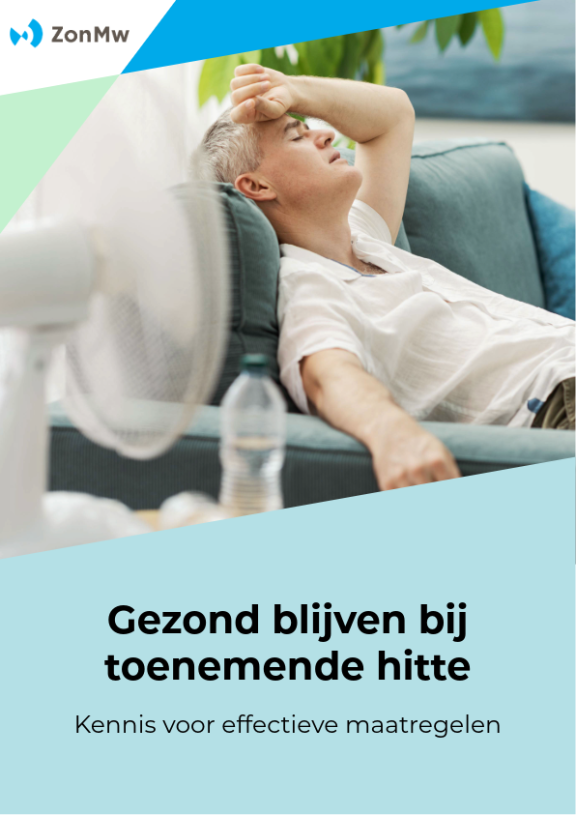
The first ‘Code Red’ heat warning showed that the Netherlands must be better prepared for heat. Although much is known about measures to combat heat in buildings and homes, effective implementation and policy integration often lag behind. That is why ZonMw is presenting the report ‘Staying healthy in the face of increasing heat’.
During the heatwave of June 2026, pressure on the healthcare system increased, schools and events were affected, and transport problems arose. At the same time, during hot spells, people tend to spend a lot of time indoors, where high temperatures have a major impact on health, productivity and day-to-day functioning. According to an estimate by the National Institute for Public Health and the Environment (RIVM), the heat wave at the end of June led to over 900 cases of excess mortality.
The ZonMw report shows that a great deal is already known about measures that can mitigate heat in indoor spaces, such as sun protection, ventilation, insulation and behavioural changes. The key research question now is how these measures can be better implemented for, with and on behalf of the people who need them most.
4 challenges
ZonMw identifies 4 key knowledge priorities:
- More insight is needed into the health effects of heat in homes and other indoor spaces, keeping future, more extreme temperatures in mind.
- Many effectiveness studies on heat-mitigating measures are based on laboratory or modelling studies. More knowledge is needed about the effectiveness of measures and their impact on our health in everyday life.
- It is not enough simply to inform people. Implementation research can provide insight into how we can ensure that residents, professionals and organisations apply available knowledge.
- Finally, knowledge is needed regarding governance and policy, so that heat can be structurally embedded in health, housing and climate policy, amongst others.
The report calls for special attention to be paid to particularly vulnerable groups, such as older people, those with chronic illnesses, young children, people with a low socio-economic position and those who experience social isolation.
A sustainable approach
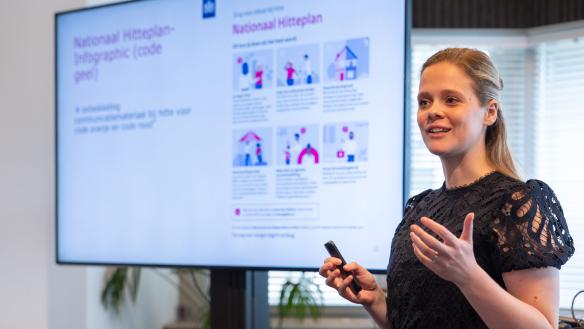
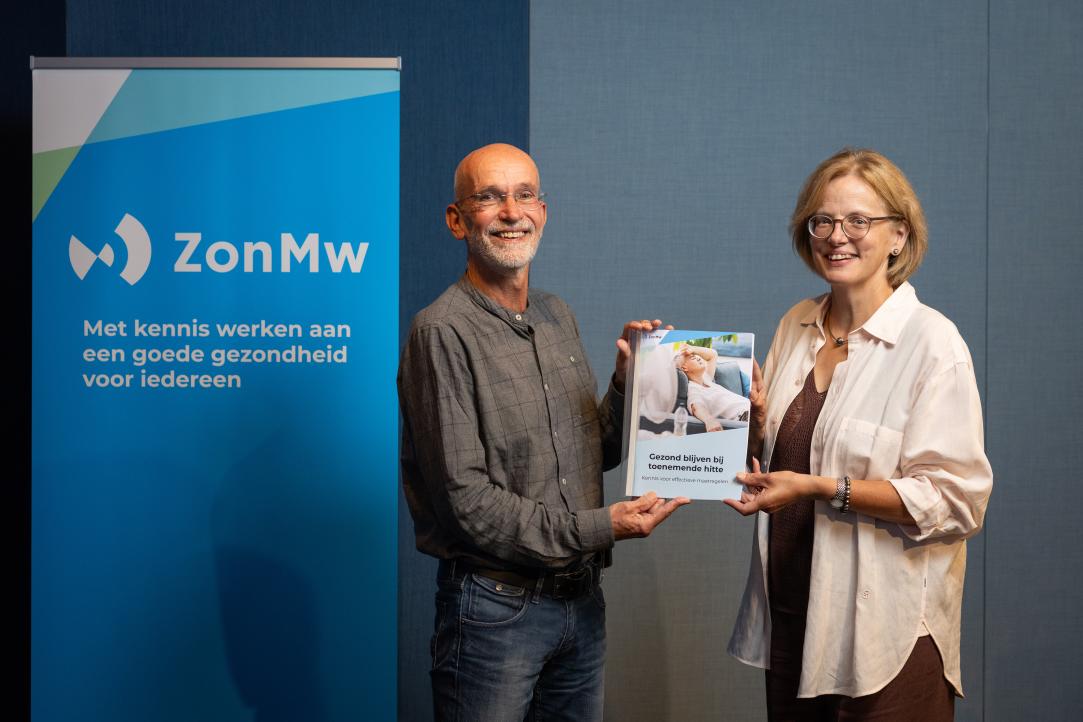
The report was presented at Nieuwspoort in The Hague. There, experts from the RIVM and the Public Health Service of Amsterdam (GGD Amsterdam) shared their experiences of the first ‘Code Red’ heatwave alert. Those present discussed how the Netherlands can better prepare for future periods of extreme heat.
The report was drawn up by ZonMw, with input from external experts. Through this report, ZonMw aims to contribute to an effective and sustainable approach to the health effects of heat, in which knowledge development, practice and policy are better integrated.